What if the most expensive defect in your supply chain is the one you discover after the shipment has already left the factory?
For importers working with overseas manufacturers, quality control is not a final checkbox-it is the last line of defense before problems become chargebacks, recalls, delays, or damaged customer trust.
Structuring inspections before products leave the factory gives you leverage while issues can still be corrected at the source, not after goods are on the water, in a warehouse, or in a buyer’s hands.
This article explains how to build a practical inspection framework that catches critical defects early, aligns suppliers with your standards, and reduces the risk of costly surprises in international production.
What Pre-Shipment Quality Control Inspections Verify Before Overseas Goods Leave the Factory
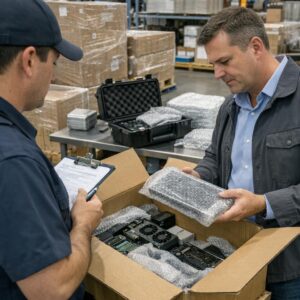
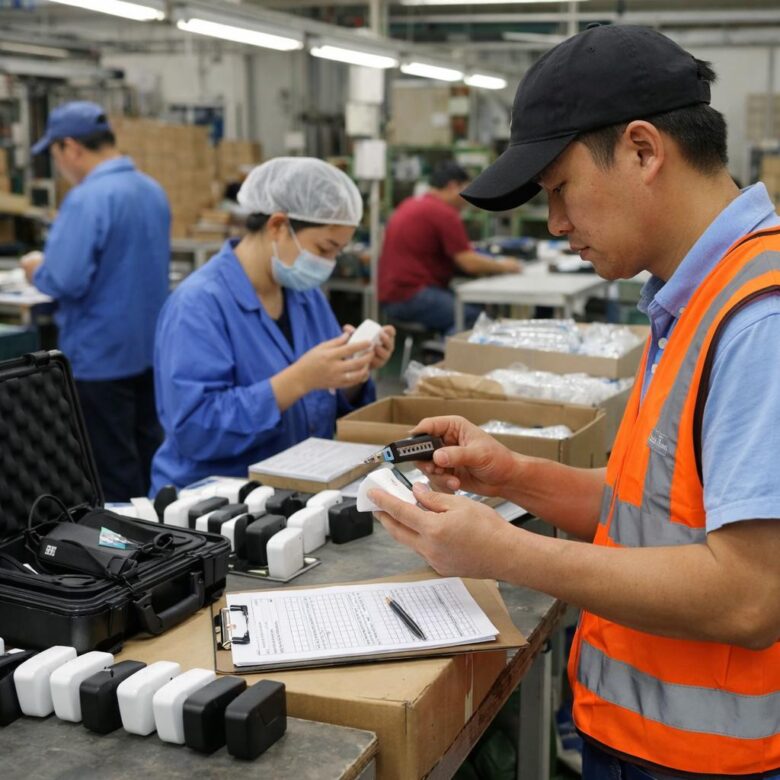
Pre-shipment quality control inspections verify that finished goods match the approved product specifications before the supplier releases them for export. Inspectors usually check workmanship, quantity, packaging, labeling, barcodes, carton markings, safety requirements, and basic product performance against the purchase order, technical file, or golden sample.
A practical inspection should not only look for visible defects. It should confirm whether the shipment is commercially acceptable, compliant with buyer requirements, and ready for customs clearance, retail distribution, or Amazon FBA delivery.
- Product conformity: size, color, materials, components, logo placement, accessories, and user manuals.
- Functional testing: charging, power output, stitching strength, zipper movement, assembly fit, or app connection where relevant.
- Packaging checks: inner cartons, export cartons, shipping marks, fragile protection, pallet condition, and barcode scan accuracy.
For example, a buyer importing Bluetooth speakers from Shenzhen may approve the sound quality during sampling, but a pre-shipment inspection can still catch weak battery performance, incorrect CE markings, or damaged retail boxes before the goods enter ocean freight. Once the shipment is loaded, fixing those issues becomes expensive and slow.
Many importers use third-party inspection services and reporting platforms such as QIMA, Inspectorio, or V-Trust to document results with photos, AQL sampling data, defect classifications, and pass/fail recommendations. In my experience, the most useful reports are the ones that tie every defect back to a clear business risk: refund claims, chargebacks, product returns, or customs delays.
How to Structure an Effective Overseas Factory Inspection Plan from Sampling to Final Reporting
A strong overseas factory inspection plan starts before the quality control inspector arrives on-site. Define the product specifications, acceptable quality limit (AQL), packaging requirements, test methods, and defect classifications in writing so the factory, importer, and third-party inspection company are working from the same checklist.
Sampling should be based on the order size and risk level, not convenience. For example, if a shipment of stainless steel kitchenware includes multiple carton designs, the inspector should pull samples across production batches, carton locations, and SKU variations instead of checking only the cartons placed near the loading area.
- Sampling plan: Use AQL tables, order quantity, and defect severity to decide how many units to inspect.
- Inspection scope: Cover workmanship, dimensions, barcode scanning, labeling, packaging, functional testing, and safety checks.
- Reporting process: Require photos, defect counts, test results, carton markings, and a clear pass, fail, or pending decision.
In practice, the best results come from combining a detailed inspection checklist with digital reporting tools such as QIMAone, Inspectorio, or shared templates in Google Sheets. These platforms help buyers compare supplier performance, track recurring defects, estimate rework cost, and make faster shipment release decisions.
The final inspection report should be specific enough for action, not just documentation. If a factory fails because 18 units have loose stitching, the report should show where the defect appears, whether it is isolated or widespread, and whether re-inspection after rework is recommended before final payment or container loading.
Common Pre-Shipment Inspection Mistakes That Lead to Defects, Delays, and Import Risk
One of the biggest mistakes is treating pre-shipment inspection as a simple carton count instead of a structured quality control process. Inspectors should verify workmanship, packaging, labeling, barcode accuracy, product specifications, and compliance documents before the factory releases the goods. If the checklist is vague, the inspection report will be vague too.
A common real-world issue is approving goods without checking retail packaging strength. For example, an importer of small kitchen appliances may pass the product function test, only to find crushed color boxes after ocean freight because the master carton failed a basic drop test. That creates chargebacks, replacement costs, and avoidable customs clearance headaches.
- Relying only on factory-provided photos instead of third-party inspection services.
- Using outdated product specifications, artwork files, or Amazon FBA labeling requirements.
- Skipping defect classification, so minor cosmetic issues and critical safety defects are treated the same.
Another costly mistake is scheduling the inspection too late. If the inspector arrives after cartons are sealed and loaded near the dock, any failed result can trigger repacking fees, warehouse storage cost, vessel delays, or air freight upgrades. Build inspection time into the purchase order, not as an afterthought.
Importers should also keep inspection data organized in tools such as QIMA, Inspectorio, or even a controlled shared folder with approved samples, tech packs, and AQL inspection standards. In practice, the best results come when the factory knows exactly what will be checked before production ends. Clear expectations reduce arguments and make defect correction faster.
The Bottom Line on Structuring Quality Control Inspections Before Products Leave Overseas Factories
Effective overseas quality control is ultimately a risk-management decision, not a formality. The right inspection structure helps buyers catch defects while there is still time to correct them, avoid expensive shipment disputes, and protect customer trust. Choose inspection points based on product complexity, supplier history, order value, and tolerance for risk. For new suppliers or critical goods, build in earlier and more frequent checks; for proven partners, maintain disciplined final verification. The practical goal is simple: products should leave the factory only when evidence-not assumptions-confirms they meet your requirements.
The Yiptung Trade Editorial Team creates practical, research-based content about Asian supply chains, cross-border B2B payments, import and export compliance, supplier management, international logistics, and trade risk. Our articles are reviewed using official regulatory, customs, banking, and industry sources whenever possible. Yiptung Trade provides educational information and does not replace advice from licensed customs brokers, attorneys, tax professionals, or financial compliance specialists.