
Smart container consolidation helps mid-sized importers cut LCL costs, improve sailing reliability, and balance inventory flow through better order batching and carrier planning.
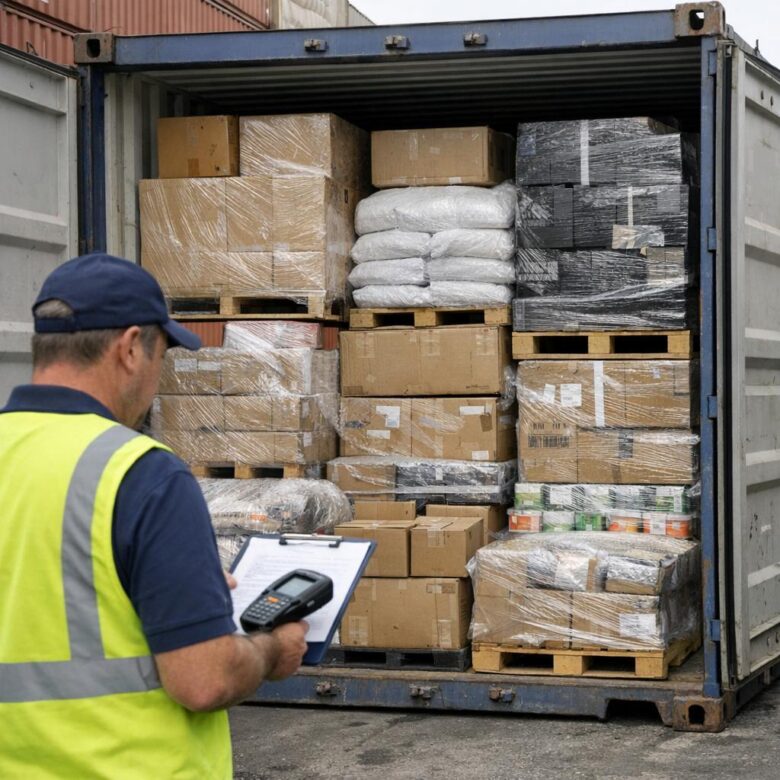
Smart container consolidation helps mid-sized importers cut LCL costs, improve sailing reliability, and balance inventory flow through better order batching and carrier planning.

Negotiate Incoterms early with Asian suppliers to define freight, insurance, customs risk, and handover points before manufacturing contracts are signed.
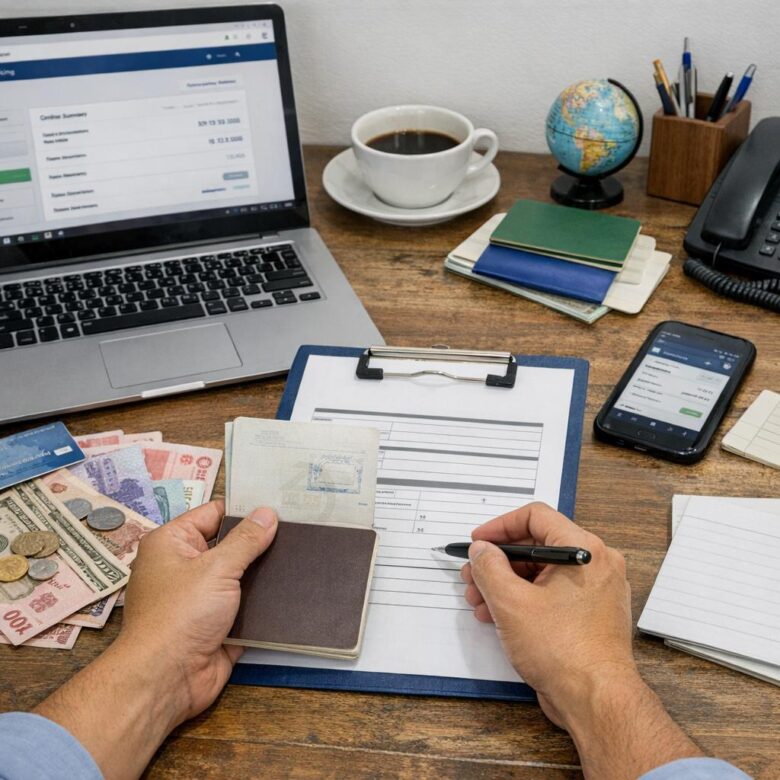
Localized Asian bank accounts reduce FX delays, improve supplier trust, and enable faster local-currency payments when aligned with KYC, tax, and treasury controls.
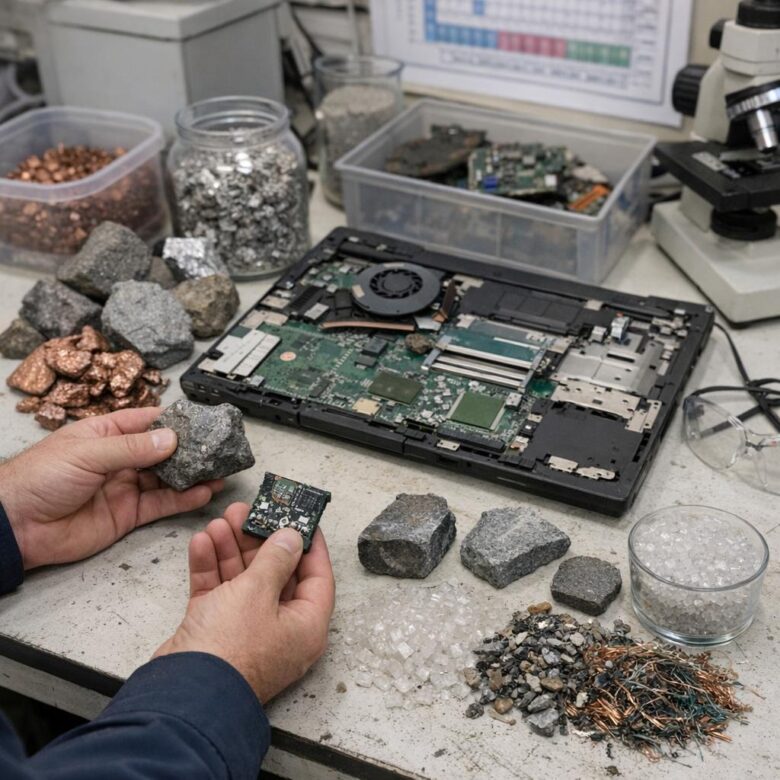
Alternative sourcing for tech hardware reduces exposure to supply shocks by qualifying recycled inputs, regional suppliers, and substitute materials before shortages disrupt production.
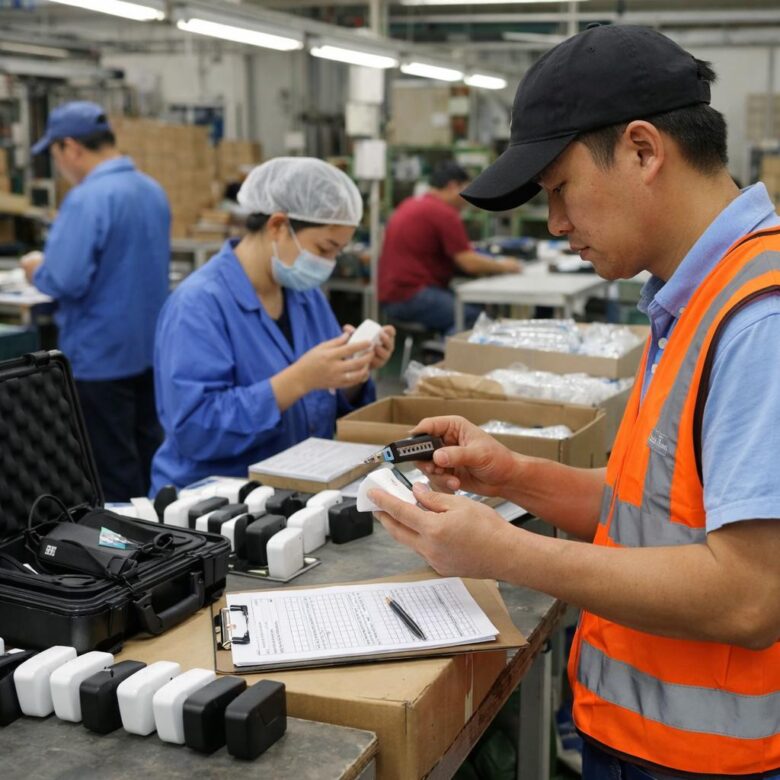
Pre-shipment QC should define AQL levels, sampling size, defect criteria, and photo evidence so overseas factories correct issues before goods ship.

Profit repatriation from Asian subsidiaries requires careful review of withholding taxes, treaty relief, transfer pricing, and local substance rules to preserve cash flow.