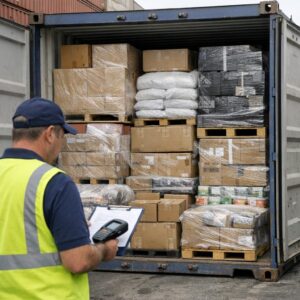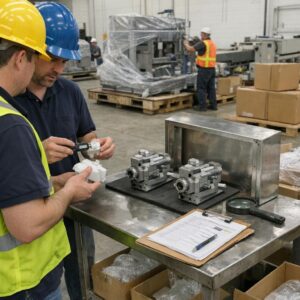
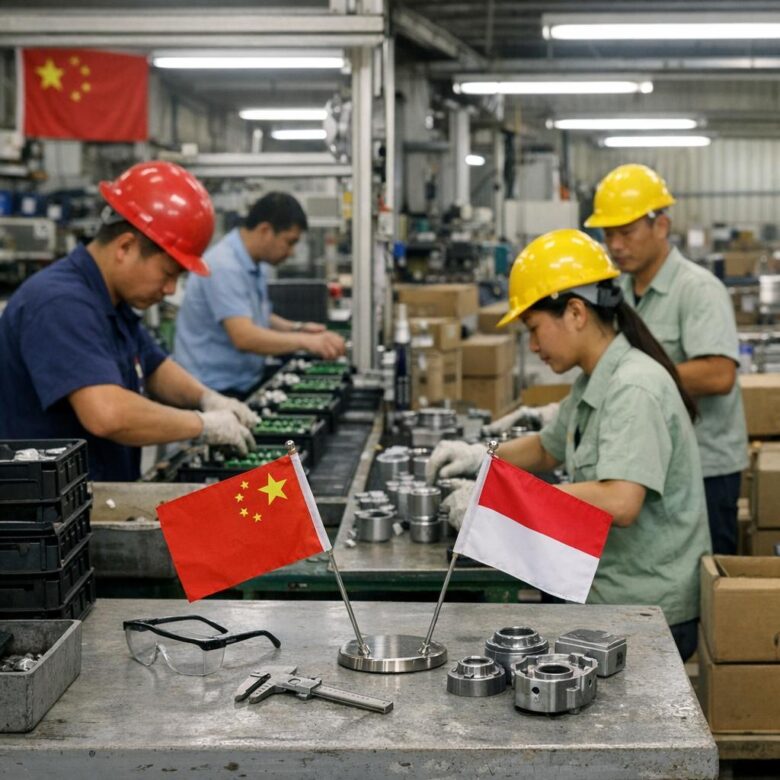
Is China still the world’s factory-or has the next manufacturing map already been redrawn?
Rising labor costs, tariff exposure, geopolitical risk, and supply chain fragility are pushing manufacturers to rethink long-held China-centric production models.
Emerging Southeast Asian markets such as Vietnam, Indonesia, Thailand, Malaysia, and the Philippines are no longer just low-cost alternatives; they are becoming strategic hubs for resilience, market access, and operational diversification.
But shifting production is not a simple relocation exercise. It requires disciplined evaluation of suppliers, infrastructure, compliance, workforce capability, logistics, and the hidden costs that determine whether a move creates advantage-or disruption.
Why Manufacturers Are Shifting Supply Chains From China to Southeast Asia
Manufacturers are moving parts of their supply chains from China to Southeast Asia to reduce exposure to rising labor costs, tariff uncertainty, and single-country dependency. For companies selling into the U.S. or Europe, even a small change in import duties, freight rates, or customs delays can affect landed cost, cash flow, and delivery reliability.
The shift is not always a full factory relocation. In practice, many companies use a “China plus one” strategy, keeping critical tooling or complex production in China while moving labor-intensive assembly, packaging, or final testing to Vietnam, Thailand, Malaysia, or Indonesia. A consumer electronics brand, for example, may continue sourcing precision components from Shenzhen but assemble finished devices in Vietnam to improve tariff planning and supplier diversification.
Key business drivers usually include:
- Lower operating costs: competitive wages, industrial park incentives, and improving contract manufacturing services.
- Risk management: less disruption from trade disputes, port congestion, or regional compliance changes.
- Market access: proximity to ASEAN customers and better regional distribution options.
From what many sourcing teams see on the ground, the biggest mistake is chasing cheap labor without checking infrastructure, supplier depth, and quality control systems. Tools like Panjiva, ImportGenius, and ERP platforms such as SAP Business One can help compare supplier history, shipment patterns, production capacity, and total landed cost before making a move. The real benefit is not just lower cost-it is building a more resilient manufacturing network that can respond faster when trade conditions change.
How to Evaluate and Select the Right Southeast Asian Manufacturing Market
Choosing the right Southeast Asian manufacturing market should start with product fit, not just low labor cost. A factory location that works for apparel may be poor for electronics manufacturing, medical devices, or automotive components because supplier depth, certification requirements, and testing capabilities vary widely by country.
Build a simple market scorecard before committing to site visits. Compare landed cost, import duties, industrial real estate prices, energy reliability, logistics infrastructure, skilled labor availability, and access to contract manufacturing services. Tools like Panjiva or ImportYeti can help identify where existing suppliers for similar products are already shipping from.
- Vietnam: strong for electronics assembly, furniture, textiles, and China-plus-one sourcing, but industrial parks near major ports can be competitive and increasingly expensive.
- Thailand: attractive for automotive parts, precision manufacturing, and regulated production due to stronger supplier ecosystems and experienced engineers.
- Malaysia: well-suited for semiconductors, medical technology, and higher-value manufacturing where compliance, English proficiency, and quality systems matter.
A practical example: a consumer electronics company may find Vietnam appealing for final assembly, but still rely on components from China unless it verifies local PCB, plastics, packaging, and testing suppliers. That affects lead time, working capital, and the real cost of supply chain diversification.
During evaluation, request sample production runs, audit quality management systems, and review customs brokerage options before signing long-term contracts. In my experience, the best market is rarely the cheapest on paper; it is the one where supplier reliability, freight visibility, tax incentives, and production scalability align with your actual operating model.
Common Risks to Avoid When Relocating Production From China
One of the biggest mistakes is assuming that lower labor cost automatically means lower total manufacturing cost. In Vietnam, Thailand, or Indonesia, savings can disappear quickly if tooling, freight forwarding, customs brokerage, supplier audits, and quality control inspections are not priced into the relocation plan.
Supplier capability is another common risk. A factory may look strong during a visit but still depend on imported Chinese components, creating hidden lead time issues. For example, a consumer electronics brand moving final assembly to Vietnam may still need PCB components, molds, or packaging from Shenzhen, so any China disruption can still affect production.
- Weak quality control: Use third-party inspection services, factory audits, and AQL checks before mass production.
- Poor logistics planning: Compare port access, shipping routes, bonded warehouse options, and customs clearance costs.
- Unclear compliance requirements: Verify product certification, labor standards, tax incentives, and import-export documentation early.
Overlooking data and supply chain visibility can also become expensive. Platforms such as Flexport, SAP Integrated Business Planning, or Oracle NetSuite can help track inventory, landed cost, purchase orders, and shipment delays across multiple countries.
A practical approach is to start with dual sourcing instead of a full shutdown in China. Keep proven Chinese suppliers active while testing Southeast Asian production runs, comparing defect rates, delivery performance, payment terms, and real landed cost. This reduces operational risk and gives your team evidence before committing capital to new equipment, contracts, or long-term manufacturing agreements.
Summary of Recommendations
Shifting manufacturing from China to Southeast Asia should be treated as a strategic redesign, not a simple relocation. The right decision depends on product complexity, supplier depth, logistics resilience, labor capability, and long-term market access. Companies that move too quickly may trade cost savings for operational risk; those that move deliberately can build a more flexible and competitive footprint.
Practical takeaway: start with pilot production, validate local suppliers, protect quality standards, and compare total landed cost-not just wages. The strongest approach is often a phased, multi-country model that reduces dependence while preserving continuity.
The Yiptung Trade Editorial Team creates practical, research-based content about Asian supply chains, cross-border B2B payments, import and export compliance, supplier management, international logistics, and trade risk. Our articles are reviewed using official regulatory, customs, banking, and industry sources whenever possible. Yiptung Trade provides educational information and does not replace advice from licensed customs brokers, attorneys, tax professionals, or financial compliance specialists.