One “authentic-looking” listing can turn a profitable drop-shipping store into a legal emergency.
When sourcing trademarked goods from East Asia, the real risk is not just supplier reliability-it is whether you have the legal right to sell what you are advertising.
Trademark law, import rules, platform policies, and brand enforcement often collide in drop-shipping, especially when products move across borders without ever touching your hands.
This article breaks down the key legal issues sellers must understand before listing branded goods, from counterfeit exposure and parallel imports to authorization, customs seizures, and marketplace account bans.
What Makes Drop-Shipping Trademarked Goods From East Asia Legally Risky?
Drop-shipping trademarked goods from East Asia becomes legally risky because you may be selling branded products without a valid distribution agreement. Even if a supplier in China, Korea, Taiwan, or Japan claims the item is “authentic,” you are still responsible for trademark infringement, counterfeit goods claims, customs seizure, chargebacks, and platform account suspension.
The biggest problem is control. In traditional wholesale, you can inspect invoices, verify authorized distributors, and confirm supply chain documents before selling. With drop-shipping, you often never touch the inventory, so a fake logo, altered packaging, or unauthorized parallel import can reach the customer under your store’s name.
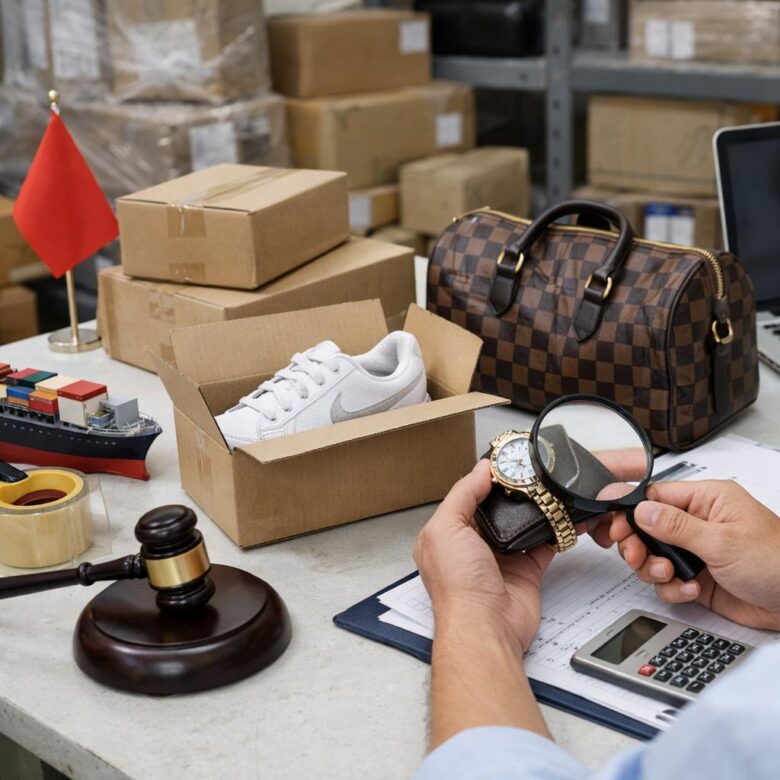
A real-world example: a seller lists “Nike-style” shoes from a marketplace supplier, thinking the wording avoids risk. If the product uses a confusingly similar swoosh, branded box, or protected design elements, platforms like Shopify, Amazon, or eBay may remove the listing after a trademark complaint, and the brand owner can still pursue legal action.
- Check trademarks using USPTO Trademark Search, EUIPO, or WIPO before listing branded products.
- Ask suppliers for authorization letters, commercial invoices, and brand distribution rights.
- Consider a trademark attorney review before scaling paid ads or ordering samples.
Another overlooked risk is advertising. Google Ads, Meta Ads, and payment processors may flag listings that use protected brand names in product titles, keywords, or landing pages. Legal compliance software, product liability insurance, and supplier verification services add cost, but they are often cheaper than losing your store, inventory revenue, and merchant account access.
How to Verify Supplier Authorization, Trademark Rights, and Product Authenticity Before Selling
Before listing trademarked products from East Asia, ask the supplier for written proof that they are allowed to sell the brand. A factory invoice is not enough; you need a brand authorization letter, distribution agreement, or reseller certificate that clearly names the supplier, the trademark owner, covered products, territory, and valid dates.
Check the trademark yourself using official databases such as WIPO Global Brand Database, the USPTO database, or EUIPO eSearch. If the trademark owner shown in the database does not match the company issuing the authorization, pause the deal and request a clear chain of authorization from brand owner to distributor to supplier.
- Compare supplier documents with business registration records and the brand’s official website.
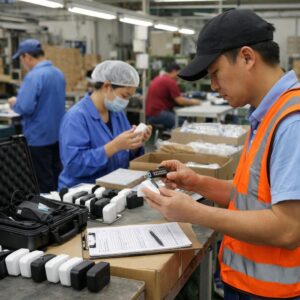
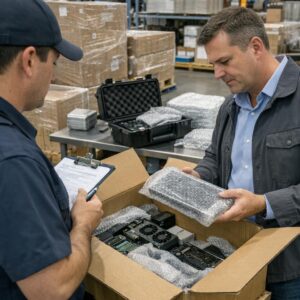
- Order a sample and inspect packaging, serial numbers, warranty cards, QR codes, and safety labels.
- Use marketplace compliance tools such as Amazon Brand Registry checks before launching paid ads.
A real-world issue I often see is sellers buying “branded” phone accessories from Shenzhen suppliers that look professional but fail barcode or warranty verification. The product may ship fine at first, then get flagged by Amazon, Shopify Payments, or a customs broker once a rights holder files an intellectual property complaint.
For higher-value goods, consider a third-party inspection service such as QIMA or SGS before bulk orders. The cost is usually small compared with frozen seller accounts, chargebacks, customs seizures, legal fees, and lost advertising spend.
Common Trademark, Customs, and Marketplace Compliance Mistakes Drop-Shippers Must Avoid
One costly mistake is assuming that a supplier’s “authorized” claim means you can legally sell branded goods. Before listing trademarked products from China, South Korea, Japan, or Taiwan, ask for a brand authorization letter, commercial invoice, and proof of supply chain origin. If the documents look vague or the supplier refuses, treat it as a red flag.
Another problem is using brand names, logos, or product photos without permission. For example, a seller listing “Apple-compatible earbuds” with Apple’s logo in the image may trigger an intellectual property complaint on Amazon Seller Central, even if the product itself is not counterfeit. Use generic descriptions carefully and avoid implying brand affiliation.
- Customs mistake: declaring goods as “accessories” when they are branded electronics, cosmetics, or luxury items can lead to seizure, penalties, and import compliance issues.
- Marketplace mistake: ignoring restricted brand lists on Amazon, eBay, Walmart Marketplace, or Shopify payment processors can result in account suspension.
- Documentation mistake: failing to keep invoices, licensing agreements, and supplier verification records makes defending an IP claim much harder.
In practice, customs brokers and freight forwarding services often spot problems before sellers do, especially with trademarked apparel, phone cases, beauty products, and consumer electronics. Use trademark search tools such as USPTO TESS or EUIPO eSearch before importing, and consider legal review for high-risk products. The compliance cost is usually far lower than losing inventory, ad spend, and marketplace access.
Final Thoughts on Understanding the Legalities of Drop-Shipping Trademarked Goods From East Asia
Drop-shipping trademarked goods from East Asia is viable only when legality is verified before listing, not after a complaint arrives. The safest decision is to treat every branded product as restricted until proven otherwise through supplier authorization, authentic documentation, marketplace approval, and import compliance checks.
- If authorization is unclear, do not sell the item.
- If margins depend on “gray” sourcing, the legal risk may outweigh the profit.
- If you want scalability, build relationships with verified rights holders or choose non-infringing private-label products.
In this space, caution is not optional-it is the business model’s first line of defense.
The Yiptung Trade Editorial Team creates practical, research-based content about Asian supply chains, cross-border B2B payments, import and export compliance, supplier management, international logistics, and trade risk. Our articles are reviewed using official regulatory, customs, banking, and industry sources whenever possible. Yiptung Trade provides educational information and does not replace advice from licensed customs brokers, attorneys, tax professionals, or financial compliance specialists.