
Shifting from China to Southeast Asia can reduce concentration risk, but success depends on supplier audits, logistics resilience, compliance, and phased capacity ramp-up.
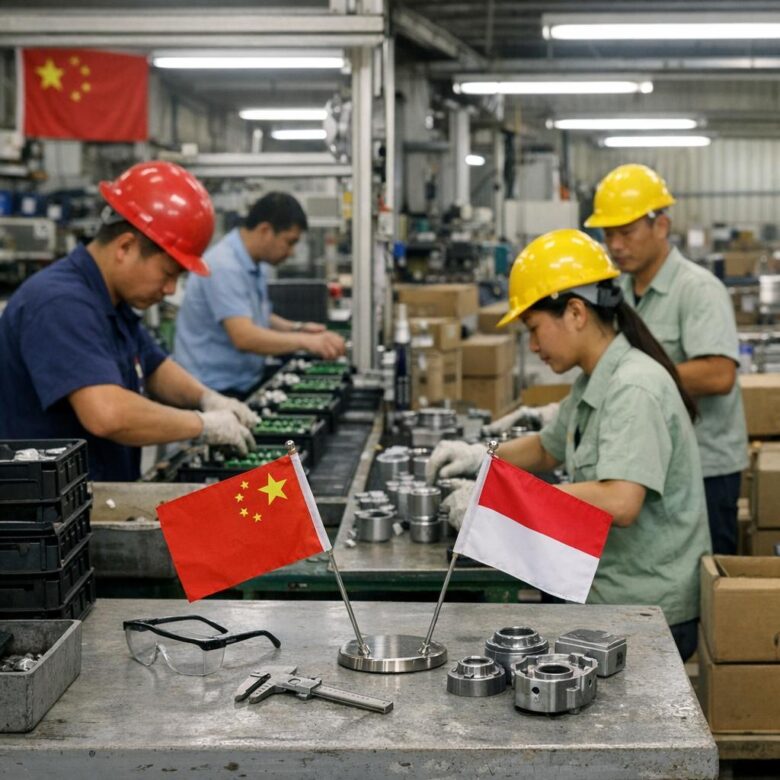
Shifting from China to Southeast Asia can reduce concentration risk, but success depends on supplier audits, logistics resilience, compliance, and phased capacity ramp-up.

Before changing overseas vendor bank details, verify requests through known contacts, require dual approval, and log evidence to prevent invoice fraud.

Compare multi-currency wallets by FX spreads, settlement speed, supplier payout options, and compliance controls to protect margins in e-commerce import operations.
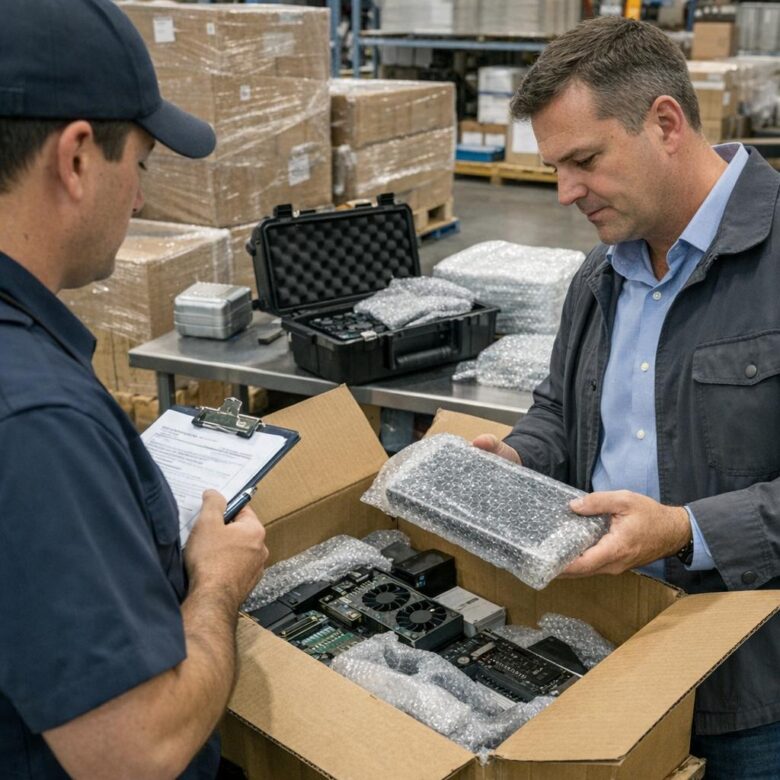
Clear held tech shipments faster by matching invoices, HS codes, licenses, and end-use details before customs requests escalate storage fees or compliance reviews.
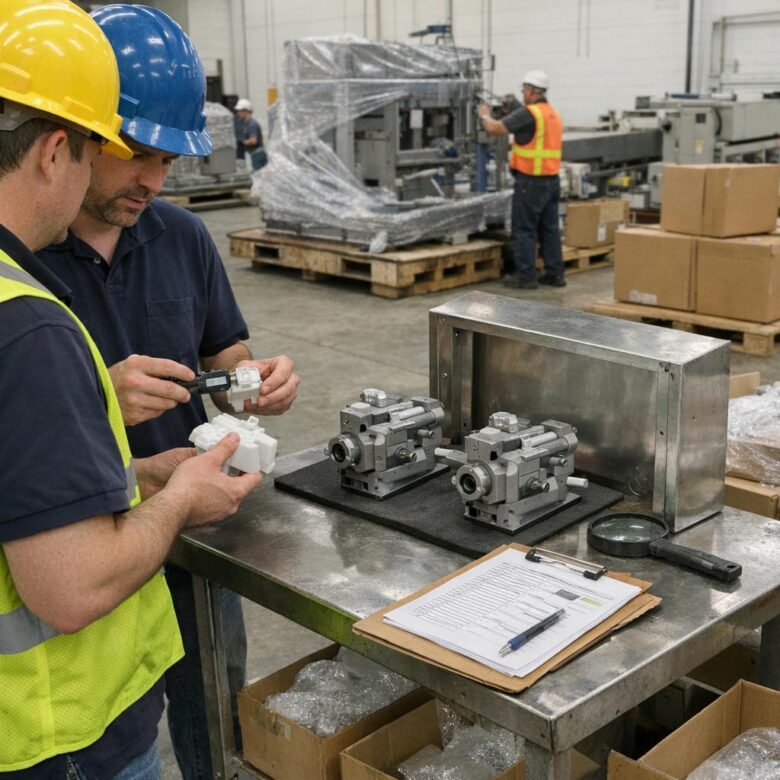
Maintain quality during relocation by validating equipment, documenting process settings, training teams, and running pilot batches before full production resumes.
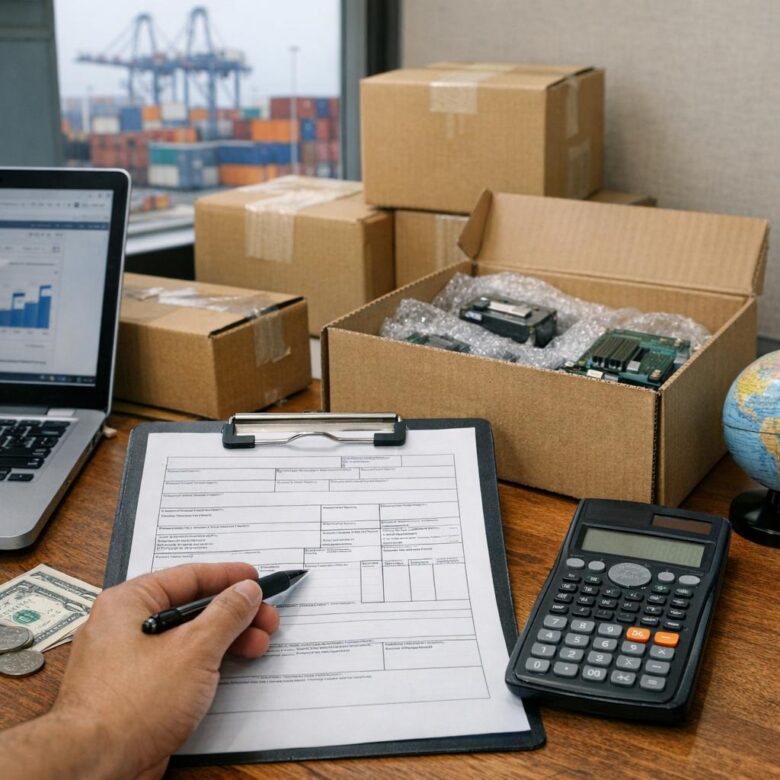
Monitor tariff updates, verify HS codes, and model landed costs before each Shenzhen electronics shipment, using broker review to protect margins and avoid customs delays.